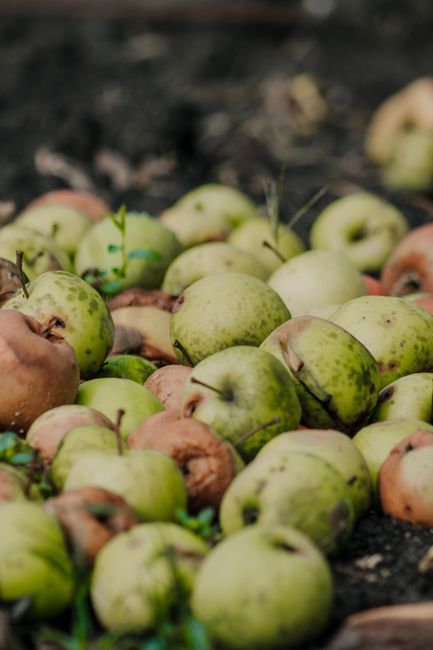
Green Waste Disposal Brent Cross Gardeners Composting Rules: A Practical Guide
If you are sorting out a garden in Brent Cross, the question is usually not whether there will be green waste, but how on earth to handle it properly. Grass cuttings, hedge trimmings, leaves, soft prunings, soil-smeared roots, and the odd bucket of moss can build up fast. The tricky bit is that green waste disposal Brent Cross gardeners composting rules are not just about tidiness; they are about separating what can be composted, what needs to be removed, and what should never go in the pile in the first place.
This guide breaks the whole thing down in plain English. You will find out what counts as green waste, how composting rules work in practice, where the common mistakes happen, and how gardeners can keep things efficient, compliant, and a lot less messy. If you've ever stood in the rain looking at a pile of clippings and thought, "Right, now what?", you're in the right place.
Table of Contents
- Why Green Waste Disposal Brent Cross Gardeners Composting Rules Matters
- How Green Waste Disposal Brent Cross Gardeners Composting Rules Works
- Key Benefits and Practical Advantages
- Who This Is For and When It Makes Sense
- Step-by-Step Guidance
- Expert Tips for Better Results
- Common Mistakes to Avoid
- Tools, Resources and Recommendations
- Law, Compliance, Standards, or Best Practice
- Options, Methods, or Comparison Table
- Case Study or Real-World Example
- Practical Checklist
- Conclusion
- Frequently Asked Questions
Why Green Waste Disposal Brent Cross Gardeners Composting Rules Matters
Green waste is one of those things that feels harmless until it piles up beside the shed, starts steaming on a mild day, and turns the corner of your garden into a temporary jungle. In Brent Cross, where many gardens are compact and access can be tight, getting disposal and composting right matters even more. You do not want to clog bins with the wrong material, create odours, attract pests, or end up with a compost heap that refuses to break down properly.
The phrase green waste disposal Brent Cross gardeners composting rules covers a few practical realities at once. Gardeners need to separate organic matter correctly, decide what can be composted on site, and understand when it is better to remove waste rather than keep it. That split matters because different materials behave very differently. Fresh grass is wet and nitrogen-rich. Woody stems are dry and carbon-heavy. Wet leaves clump. Thick roots take ages to break down. A few minutes of sorting can save a lot of hassle later.
There is also a trust point here. If a gardener says they will leave the site tidy, that usually means more than a quick sweep-up. It means waste is handled in a sensible, responsible way. For homeowners, landlords, and anyone managing a larger outdoor space, that makes a real difference. Nobody wants to look out of the window and see a half-finished pile of cuttings in the rain. Truth be told, it is never a good look.
If you are planning broader garden work as well, related services like garden clearance, garden maintenance, and lawn mowing often sit alongside waste handling, because the best garden results usually come from treating the whole space as one system rather than a series of messy jobs.
How Green Waste Disposal Brent Cross Gardeners Composting Rules Works
At its simplest, the process has three stages: sort, store, and process. That is the cleanest way to think about it. First, green waste is separated from non-organic rubbish. Then it is either composted on site, bagged for collection, or removed as part of a clearance job. Finally, whatever remains is dealt with using the right method for the material type.
In composting terms, the main idea is balance. Compost works best when you mix wet, nitrogen-rich material with drier, carbon-rich material and allow air to circulate. Gardeners often call this "greens and browns". Greens include grass cuttings and soft plant trimmings. Browns include dry leaves, shredded twiggy material, cardboard in some home systems, and woody chippings. If the mix is too wet, it can go slimy and smell. Too dry, and it just sits there doing very little. Not ideal.
For Brent Cross gardens, where space can be limited, composting often needs to be practical rather than perfect. A small bin behind a fence can still work well if the contents are chopped up and turned occasionally. A larger clearance job, on the other hand, might produce waste that is better removed in stages. That is where a service such as recycling and sustainability thinking becomes useful, because the point is not to keep everything forever; the point is to handle it intelligently.
Typical green waste streams include:
- grass clippings
- hedge trimmings
- leaves and small twigs
- soft pruning from shrubs and perennial plants
- spent bedding plants
- small amounts of soil attached to roots
Materials that usually need extra care or separate handling include thick branches, treated wood, invasive weeds with seed heads, diseased plants, and anything contaminated with plastic, wire, stones, or food waste. A compost heap is not a magical shredder; it has limits, as we all know when the pile starts leaning like a tired fence panel.
Key Benefits and Practical Advantages
Good green waste management does a lot more than make the garden look neat. It helps with soil health, reduces haulage and disposal headaches, and supports a tidier workflow for the gardener. You also get the quiet benefit of fewer "unfinished job" moments, which anyone who has had a rake-and-bag day knows is worth something.
Here are the main advantages:
- Better compost quality when materials are sorted properly from the start.
- Less smell and mess because damp clippings are not left in a heap for too long.
- Faster turnaround on garden jobs, especially for hedge cutting and clearance work.
- Lower waste volume when green material is chopped or compacted sensibly.
- Healthier soil improvement if compost is returned to borders and beds at the right stage.
- Cleaner client handover after maintenance visits.
There is also a practical cost angle. Composting some material on site may reduce what needs to be removed, while a properly planned clearance job can avoid multiple trips. That does not mean every garden should compost everything. Sometimes removal is the smarter move, especially after big cuts, storm damage, or a full seasonal reset. For larger jobs, it helps to look at the wider service picture through services overview or discuss pricing early via pricing and quotes.
One useful rule of thumb: if the waste is fresh, soft, and clean, it may compost well. If it is woody, diseased, or mixed with debris, it may be better off being removed. Simple enough, but the difference saves time.
Who This Is For and When It Makes Sense
This topic is not just for professional gardeners. Homeowners dealing with regular mowing and pruning, landlords preparing a property, tenants trying to leave a garden tidy, and landscapers carrying out heavier work all run into the same question: what should stay, and what should go?
It makes sense to focus on composting and disposal rules when you are dealing with:
- routine lawn care and mowing cuttings
- hedge trimming and shrub shaping
- spring and autumn garden clearances
- overgrown borders or neglected plots
- tree pruning and light branch removal
- after-storm tidy-ups where leaves and twigs are everywhere
In a small Brent Cross front garden, composting a few bags of grass and leaves may be easy enough. In a back garden with awkward access, it can be more practical to collect, sort, and remove material in one tidy run. That is often where garden clearance becomes the sensible option, especially if the space needs a proper reset.
For clients with more structured outdoor spaces, combining waste handling with hedge trimming, tree lopping and removal, or landscaping can make the whole job feel less stop-start. You get the result you can actually live with, not just a neat patch for the photo.
Step-by-Step Guidance
Let's make this practical. If you are handling green waste in Brent Cross and want composting rules to work for you rather than against you, follow this sequence.
- Identify the waste type. Separate grass, leaves, soft stems, woody material, and anything contaminated.
- Remove non-organic items. Plastic ties, plant pots, wire, labels, gravel, and litter should come out first.
- Chop larger material. Smaller pieces decompose faster and are easier to stack or bag.
- Balance wet and dry matter. Mix grass and soft trimmings with dry leaves or shredded woody material where possible.
- Choose the right path. Compost on site if the material is suitable, or arrange removal if the pile is too large or awkward.
- Keep airflow in mind. Compost needs oxygen, so do not compress it into a soggy brick. Been there, regretted that.
- Monitor the pile. If it smells sour, feels waterlogged, or is attracting flies, the balance is off.
- Use finished compost sensibly. Apply only when material has broken down fully and is no longer recognisable as fresh waste.
A small practical example: after a hedge trim, you might have lots of leafy growth and fine cuttings. Those can often be composted if they are clean and mixed with drier material. But if the cuttings are huge in volume, wet from drizzle, and already filling the wheelbarrow, you may be better moving them out of the way before they turn into a slippery, smelly job. Simple judgement, really.
If the job also involves a full tidy, combining disposal with garden maintenance can keep the space in good shape long after the main cut is done.
Expert Tips for Better Results
The difference between decent composting and frustrating composting usually comes down to details. Nothing glamorous. Just the little things.
- Cut material smaller than you think you need to. Finer pieces break down more evenly and are easier to manage.
- Do not overload with grass clippings. Grass mats together and can suffocate the pile if used on its own.
- Keep woody material separate when it is too chunky. Thick stems are useful, but they work better shredded or chipped.
- Let wet material breathe. A tarp or bin lid can help, but sealed, airless piles usually go wrong.
- Turn the compost occasionally. Even a rough mix can make a big difference.
- Plan waste handling before the cut begins. It sounds obvious, but a prepared space saves stress.
One thing people often miss: composting is not only about decomposition, it is about workflow. If the waste path from garden bed to bin is awkward, the job becomes a hassle. If there is a clear point for collection, the day runs smoother. That is why many good gardeners think about disposal before they start cutting, not after they have already filled three sacks and are wondering where the fourth one came from.
For bigger or more technical outdoor work, services such as landscape gardening can help integrate planting, clearance, and waste handling so the garden improves as a whole rather than one bit at a time.
Common Mistakes to Avoid
Here is where a lot of otherwise sensible garden jobs fall apart. Not dramatically. Just enough to create extra work later.
- Putting everything into one pile. Mixed waste is harder to compost and harder to remove.
- Including contaminated materials. Plastic ties, stones, and treated wood do not belong in clean green waste.
- Letting clippings sit too long. Fresh waste starts to smell, compact, and ferment if ignored.
- Overwatering the pile. Rain plus dense grass can create a soggy mess fast.
- Assuming all weeds are fine to compost. Seeded or invasive material may spread instead of breaking down safely.
- Forgetting access and lifting. Heavy bags and awkward paths can create avoidable strain.
There is also a planning mistake worth mentioning: people sometimes expect every garden job to end with compostable material neatly ready for reuse. In reality, a lot of what comes out of a garden is a mix of useful organics and non-organic debris. That is normal. The job is not to force everything into compost; it is to sort properly and make sensible decisions.
And yes, sometimes the "quick tidy" turns into a bigger haul than expected. Happens all the time. A hedge looks modest until the first few branches are off and then, well, suddenly the barrow is full.
Tools, Resources and Recommendations
You do not need fancy kit to manage garden waste well, but the right basics make life easier. In most Brent Cross jobs, the following are the workhorses:
- Wheelbarrow or garden cart for moving material without endless lifting.
- Rake and hand fork for gathering leaves, grass, and fine cuttings.
- Secateurs and loppers to reduce branch and stem size before disposal.
- Compost bin or heap area for suitable organic waste.
- Heavy-duty sacks for collection and short-term storage.
- Tarpaulin to keep piles contained and easier to move.
- Gloves because nettles, splinters, and surprise thorns are a thing.
A useful recommendation is to keep a simple separation system on site: one container for compostable green waste, one for woody waste, and one for anything to be removed. That three-part approach is plain, but it works. If the garden is larger or the job is time-sensitive, it may be worth pairing waste planning with a quote request through pricing and quotes so the scope is clear before work starts.
If you want the job handled by a local team with a practical, no-fuss approach, the company information on about us can help you understand the service style, while contact us is the place to ask about a specific garden situation.
Law, Compliance, Standards, or Best Practice
When garden waste leaves your property, it is worth handling it responsibly. In the UK, green waste should be treated as a controlled waste stream and moved, stored, and disposed of in a way that avoids nuisance, contamination, and fly-tipping risks. You do not need to become a legal expert to do the right thing, but you do need a sensible process.
Best practice usually means:
- keeping organic waste separate from general rubbish where possible
- avoiding contamination with plastics, metals, and treated materials
- using secure containers or bags during storage and transport
- ensuring waste is passed to an appropriate facility or handled on site in a clean, controlled way
- taking extra care with diseased plants or invasive species
There are also safety considerations. Wet green waste can be heavy and slippery. Compost heaps can conceal sharp debris. Branches can spring back. A good gardener takes the practical safety side seriously, which is why service standards and operational safety matter. If you are comparing providers, it is sensible to look at their approach to health and safety policy and insurance and safety, especially for larger clearances or work involving trees and higher pruning.
For customers who care about the environmental side as much as the visual result, recycling and sustainability is also a useful reference point. It shows the wider mindset: reduce waste where possible, reuse where sensible, and dispose of the rest properly.
Options, Methods, or Comparison Table
Not every garden waste problem needs the same solution. The right method depends on volume, access, material type, and how quickly you need the space back. Here is a straightforward comparison.
| Method | Best For | Pros | Limitations |
|---|---|---|---|
| On-site composting | Clean grass, leaves, soft trimmings, routine maintenance | Low waste, useful for soil improvement, simple once set up | Needs space, balance, and patience |
| Bagging for collection | Mixed but still manageable green waste | Easy to move, tidy, works well for small-to-medium jobs | Can be labour-heavy if overfilled or wet |
| Full garden clearance | Overgrown gardens, seasonal resets, bulky waste | Fast results, clears access, reduces clutter quickly | Less material stays on site for reuse |
| Selective recycling | Jobs with a mix of green waste and woody material | Good balance between reuse and removal | Needs sorting discipline and a clear plan |
In practice, many Brent Cross gardens use a combination of methods. A little composting, a little bagging, a little removal. That mixed approach is often the most realistic, especially where the garden is small but the growth is persistent. That is just how gardens behave, honestly.
Case Study or Real-World Example
Imagine a typical late-spring tidy-up in Brent Cross. The lawn has been cut, the hedge has been trimmed back, and the borders have been cleared of old leaves and soft shoots. By the end of the job, there is a fair amount of green waste, but it is not all the same kind.
The grass clippings are fresh and dense. The hedge trimmings are a mix of leafy stems and light woody cuttings. The border waste includes some soft plant material, but also a few invasive weeds and bits of string from old supports. If everything gets tipped into one heap, the result is a soggy, awkward pile that will be difficult to compost and even harder to move later.
Instead, a sensible approach is taken:
- grass clippings are collected separately and mixed with drier material
- hedge cuttings are lightly chopped before being added to the right container
- weeds with seed heads are removed rather than composted casually
- string, plastic markers, and debris are stripped out immediately
- the remaining waste is either composted or removed, depending on space
The result is cleaner, quicker, and less frustrating. The garden looks finished, not just cut. You can hear the difference, too. Less crunch underfoot. Less rustle from loose bags by the fence. Just a neat outdoor space that feels cared for. That matters more than people think.
Practical Checklist
Use this before you start handling green waste. A short check now can save a lot of faff later.
- Sort materials by type before loading anything into a heap or bag.
- Remove non-organic items such as plastic, wire, tags, and litter.
- Separate soft waste from woody waste if you plan to compost on site.
- Check for diseased or invasive material and handle it with care.
- Keep wet clippings ventilated so they do not compact and smell.
- Make sure access routes are clear for moving sacks or bins.
- Use gloves and sturdy footwear for lifting and sorting.
- Decide early whether to compost or remove rather than improvising halfway through.
- Plan the next stage whether that is soil improvement, planting, or a full tidy-up.
Practical summary: the best green waste system is the one you can repeat reliably. Keep it simple, keep it clean, and do not let mixed waste sit around longer than necessary. That approach works whether you are a homeowner, a landlord, or a gardener managing a busy schedule.
Get a free quote today and see how much you can save.
Conclusion
Green waste disposal and composting rules are not complicated once you look at them in real-world terms. Sort your material, keep the compost balance sensible, remove what should not be there, and choose the disposal method that suits the size and condition of the job. That is the heart of it.
For Brent Cross gardeners, the key is to stay practical. Small gardens need tidy systems. Bigger clearances need planning. And if you are somewhere in the middle, which most people are, a mix of composting and responsible removal usually gives the best result. Not perfect, maybe. But effective, tidy, and honest about the work involved.
Done well, green waste handling supports a healthier garden, a cleaner finish, and less waste going to hell in a bag at the end of the week. Small step, big difference.
Frequently Asked Questions
What counts as green waste in a Brent Cross garden?
Green waste usually includes grass cuttings, leaves, hedge trimmings, soft prunings, plant clippings, and other natural garden material that breaks down organically. It does not include plastic, metal, stones, or general household rubbish.
Can all garden waste be composted?
No, and that is where a lot of people go wrong. Soft, clean organic waste is usually suitable, but thick branches, contaminated material, diseased plants, and invasive weeds may need separate handling or removal.
Why do composting rules matter for gardeners?
They matter because the wrong mix can create smell, pests, slow decomposition, and extra work. Good composting rules also make the garden job quicker and help keep waste handling tidy and responsible.
Should grass cuttings go straight into compost?
They can, but not usually on their own in a thick layer. Grass cuttings are wet and compact easily, so they work best when mixed with dry, woody, or fibrous material to keep air moving through the pile.
What should I do with hedge trimmings after cutting?
Small leafy trimmings may be composted if they are clean and manageable. Larger woody stems often need chopping down first or removing if the pile is already too full or too wet.
Is it better to compost on site or remove the waste?
It depends on space, waste volume, and how quickly you need the garden back in use. On-site composting is useful for routine waste, while removal is often better for larger clearances or mixed material.
How do I stop green waste from smelling?
Avoid letting wet grass and soft clippings sit in a dense heap. Mix in drier material, allow airflow, and do not leave bags sealed and forgotten for long periods. Smell usually means the pile is too wet or too compact.
Can weeds go into compost?
Some can, but seeded or invasive weeds need caution. If a weed is likely to spread again, it is usually safer to remove it rather than casually compost it.
Do I need special equipment for composting garden waste?
Not really. A rake, shears, gloves, a wheelbarrow, and a compost bin or heap area are often enough. For larger jobs, sacks, tarpaulins, and cutting tools make the process much easier.
How often should a compost pile be turned?
There is no hard rule for every garden, but turning the pile occasionally helps air circulate and keeps decomposition moving. If you notice it becoming too wet or compact, that is usually a sign it needs attention.
What is the safest way to handle heavy green waste?
Use smaller loads, keep your route clear, and avoid overfilling bags or bins. Wet green waste can be surprisingly heavy, so steady lifting matters more than speed. No heroics needed.
Where can I get help with garden waste and tidy-up work in Brent Cross?
If you need help with clearance, maintenance, or a larger garden reset, start by looking at the relevant service pages and then ask for a quote. A quick conversation often saves a lot of back-and-forth later.