Cricklewood Broadway small garden gardeners near Brent Cross: a practical guide for compact London gardens
If you are looking for Cricklewood Broadway small garden gardeners near Brent Cross, chances are your garden is doing that very London thing: small footprint, big expectations. One minute it's a narrow strip or courtyard with a stubborn patch of shade, the next it's expected to look calm, tidy, green, and somehow effortless. Easy to say. Less easy to do on a wet Tuesday afternoon with a hedge that has grown a bit wild.
This guide is for homeowners, landlords, and busy residents who need thoughtful garden care for compact outdoor spaces around Cricklewood Broadway and the Brent Cross area. You'll find out what small-garden gardening services usually involve, how to judge quality, what to avoid, and how to get better results without wasting money or space. We'll keep it practical, local, and human.
And yes, small gardens can be lovely. In fact, they often reward good planning more than larger ones do.
Table of Contents
- Why Cricklewood Broadway small garden gardeners near Brent Cross Matters
- How Cricklewood Broadway small garden gardeners near Brent Cross Works
- Key Benefits and Practical Advantages
- Who This Is For and When It Makes Sense
- Step-by-Step Guidance
- Expert Tips for Better Results
- Common Mistakes to Avoid
- Tools, Resources and Recommendations
- Law, Compliance, Standards, or Best Practice
- Options, Methods, or Comparison Table
- Case Study or Real-World Example
- Practical Checklist
- Conclusion
- Frequently Asked Questions
Why Cricklewood Broadway small garden gardeners near Brent Cross Matters
Small gardens in this part of north-west London tend to face a very specific mix of pressures. Space is limited. Boundaries are often tight. Light can be patchy because of neighbouring buildings, fences, and trees. Add in busy roads, dust, regular foot traffic, and the stop-start rhythm of city life, and a garden can go from neat to neglected rather quickly.
That is exactly why a local gardener who understands compact urban gardens can make such a difference. They are not just trimming things back. They are thinking about layout, plant choice, drainage, maintenance time, and how to make a garden feel bigger than it is. To be fair, that takes a slightly different mindset from working on a large suburban lawn.
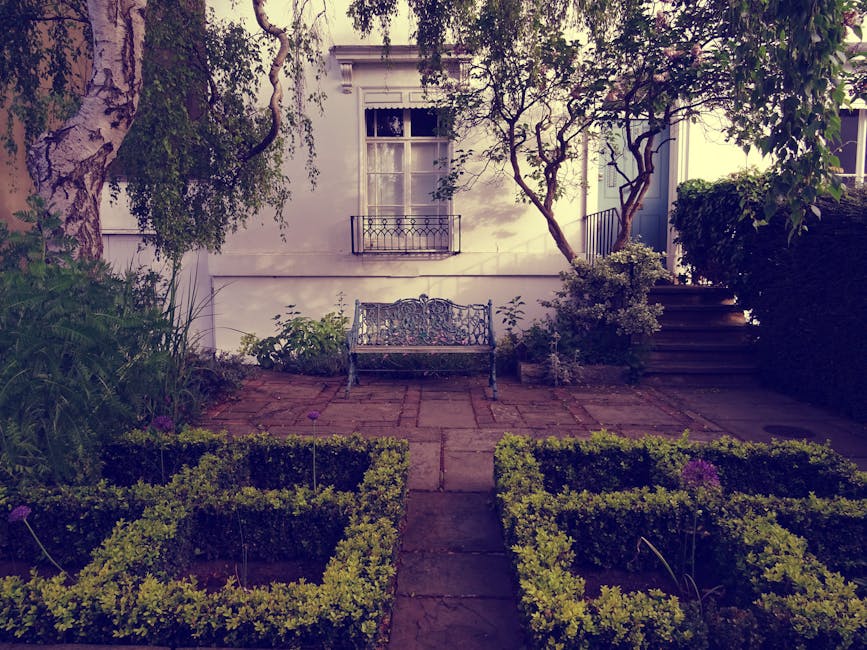
For many people near Brent Cross, the goal is not perfection. It is usability. A small space that looks cared for, drains properly, and feels pleasant after work or on a Saturday morning. The right approach can turn a narrow side return, tiny patio, or modest rear garden into somewhere you actually want to sit with a cup of tea.
For broader service planning, it can also help to look at related support such as routine garden maintenance or more focused help like hedge cutting when boundaries are getting out of hand.
How Cricklewood Broadway small garden gardeners near Brent Cross Works
Small-garden gardening usually starts with a practical assessment. A good gardener looks at what the space actually does, not just how it looks from the back door. Is it used for children, pets, container planting, entertaining, or simply as a quiet green pocket? Does the soil stay wet? Is there enough sun for flowers, or is foliage the better bet?
From there, the work tends to be a mix of maintenance and improvement. In many compact gardens, that means:
- light pruning and shaping
- lawn care or grass reduction
- weed control
- border tidy-ups
- planting for shade, seasonal colour, or low maintenance
- container refreshes
- pressure-wash or clean-up work where appropriate
- simple redesigns to improve flow and make the garden feel less cramped
In a small garden, every centimetre matters. That sounds dramatic, but it is true. A planter placed badly can block movement. A hedge left too wide can swallow the path. One overgrown shrub can make the entire place feel smaller, even if the rest is tidy.
That is why a good local gardener often works in layers: clear, tidy, cut back, assess, then improve. There is usually no magic trick. Just careful decisions and a decent eye.
Key Benefits and Practical Advantages
The main benefit of hiring someone experienced with small urban gardens is that they understand how to get more from less. That might sound obvious, but it changes the result in very real ways.
1. Better use of space
Small gardens need structure. Good gardeners know where to keep things open, where to add height, and where to avoid clutter. Sometimes removing one awkward shrub does more for the garden than adding three new plants. Truth be told, restraint is often the clever choice.
2. Less maintenance burden
Many people near Cricklewood Broadway are busy. The garden becomes another task, not a pleasure. A well-planned small garden can be designed for lower upkeep, which means fewer weekend emergencies and less time wrestling with runaway growth.
3. Better seasonal interest
A compact garden benefits enormously from planting that delivers at different times of year. Think evergreen structure, spring bulbs, summer colour, and autumn texture. That way the space does not vanish into a dull patch of green by October.
4. Improved kerb appeal and property presentation
For landlords, sellers, and anyone who simply wants their home to feel finished, a tidy garden adds visible value. It may not be the biggest part of the property, but it is often the first thing people notice when stepping outside.
5. Fewer avoidable problems
Overgrowth, poor drainage, cramped planting, and weak soil all get more noticeable in a small space. A gardener with local experience can spot those issues early and prevent them from becoming a nuisance.
Expert summary: In a small garden, the best results usually come from making the space simpler, healthier, and more intentional rather than trying to cram in more features. Less mess. Better structure. That is where the real improvement happens.
Who This Is For and When It Makes Sense
This kind of gardening service makes sense for quite a few people. If you recognise yourself in any of these, you are in the right place.
- Busy homeowners who want the garden neat without spending every spare hour on it.
- Landlords who need a reliable outdoor space between tenancies or during inspections.
- Older residents who prefer professional help for heavier work, pruning, or regular upkeep.
- New buyers who have inherited a garden that needs sorting before they can enjoy it.
- Small-space enthusiasts who want planting advice, not just cutting and clearing.
- Families whose garden has become a practical play space and needs safer, simpler maintenance.
It also makes sense when the garden has got ahead of you. Happens to everyone. A fortnight becomes a month, then suddenly the hedge has opinions of its own. That is usually the point where a focused service is cheaper and less stressful than trying to recover the space alone.
If you are thinking longer term, broader support like garden landscaping may be worth considering, especially if the layout itself is making maintenance harder than it needs to be.
Step-by-Step Guidance
If you are planning to work with a gardener for a small space near Brent Cross, this is a sensible way to approach it.
- Walk the garden at different times of day. Notice where the sun falls, where water collects, and which corners feel cramped or overlooked.
- Write down the real priorities. For example: safer paths, fewer weeds, better privacy, more planting, or a space for seating.
- Take clear photos before the visit. This helps if the garden is overgrown or if access is awkward.
- Ask for a practical plan. A good gardener should be able to explain what they would do first, what can wait, and what may need more work later.
- Agree what "done" means. Small-garden jobs can be vague if nobody defines them. Be specific about borders, lawn edges, pruning, waste removal, and tidy-up.
- Start with the highest-impact tasks. Usually this means cutting back, weeding, and clearing the view before adding new plants or features.
- Review after the first session. You do not need to solve everything in one go. A phased approach often gives better results and costs less in the long run.
One useful tip: if a space feels crowded, ask what can be removed rather than what can be added. That small change in thinking can make the whole project easier.
Expert Tips for Better Results
Small gardens reward judgement. A little restraint can go a long way. Here are the approaches that usually make the biggest difference.
Choose plants that suit the garden, not the other way round
If your space is shady, narrow, or exposed to wind, do not force in plants that need full sun and lots of room. It sounds obvious, but people do it all the time. Better to choose plants that are comfortable in the conditions you actually have.
Use height carefully
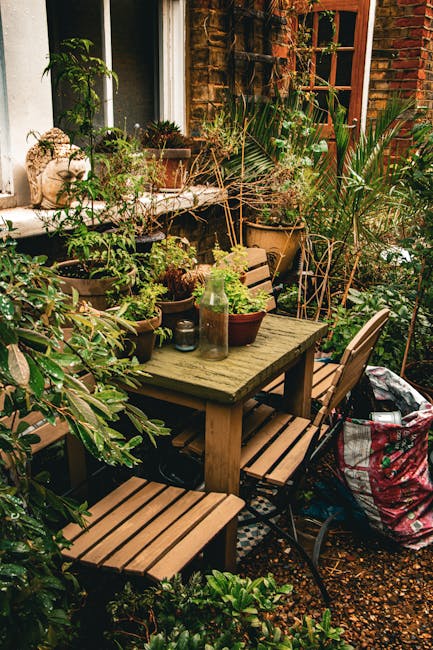
Vertical planting can be brilliant in a compact garden. Trellises, climbers, and wall planters help lift the eye. But too much vertical clutter can feel busy. There is a line between elegant and overworked, and small gardens cross it quickly.
Keep surfaces simple
Too many materials can make a small space look chopped up. A tidy path, a clear seating area, and one or two consistent finishes often look better than a patchwork of paving, gravel, and random borders.
Think about maintenance time honestly
If you know you will not maintain fussy planting, say so. A gardener can build the plan around that. Low-maintenance does not mean boring. It means realistic. Which is, frankly, more useful.
Plan for drainage before it becomes a problem
In London gardens, drainage issues often show up in the corners first. If water pools after rain, that needs attention early. Even a very attractive garden becomes frustrating if the soil stays soggy and the path stays slippery.
A small human note here: some of the best garden fixes are not glamorous. Edging, pruning, soil improvement, and simple layout changes often make more difference than expensive features ever do. Bit unexciting, yes. Also effective.
Common Mistakes to Avoid
Small gardens are forgiving in some ways and unforgiving in others. A tiny mistake is magnified. Here are the ones that crop up most often.
- Planting too densely. Young plants look sparse at first, so people overcompensate. Six months later, everything is crowded.
- Choosing the wrong scale. A massive shrub in a modest garden can dominate the entire space.
- Ignoring shade and aspect. A garden that gets only a few hours of light needs different planting from a sunny one.
- Skipping the tidy-up stage. Clearing and cutting back first often reveals what the garden actually needs.
- Using too many styles at once. Mixing patio, lawn, stones, and lots of ornament can make a compact garden feel restless.
- Forgetting access. A service path, bins, gates, and shed doors all need room to work properly.
- Expecting instant maturity. Some spaces need time to settle. Good planning helps, but plants still grow at their own pace. Nature is not exactly on a deadline.
If you are unsure, ask for a phased plan rather than trying to fix everything in a single visit. That approach often gives cleaner, more manageable results.
Tools, Resources and Recommendations
For small-garden work, the right tools matter more than a huge kit. Compact spaces call for precision and control, not brute force.
| Need | Useful approach | Why it helps in a small garden |
|---|---|---|
| Pruning and shaping | Hand pruners, loppers, careful hedge cutting | Allows clean cuts without damaging nearby plants or fences |
| Weed control | Hand weeding, mulch, tidy edging | Reduces regrowth and keeps borders looking finished |
| Space planning | Simple sketch, photos, measurement of key areas | Makes it easier to avoid overcrowding and awkward layouts |
| Soil improvement | Compost, top dressing, targeted feeding | Helps containers and borders stay healthier in compact spaces |
| Ongoing care | Scheduled maintenance visits | Stops small jobs turning into larger ones |
If your garden needs regular care rather than one-off rescue work, it can be worth looking at lawn care support and tree surgery services where overhanging branches or large roots are affecting light and space. For hard surfaces that need a refresh, power washing may help too, provided it is suitable for the material.
My practical recommendation? Keep your first brief simple. A short list of priorities gets better results than a long wish list with five different styles of garden bundled together.
Law, Compliance, Standards, or Best Practice
For most small-garden work, the main compliance issues are ordinary and sensible rather than dramatic. That means keeping work safe, respecting neighbours, and disposing of waste properly. Nothing glamorous, just good practice.
If the job involves hedge cutting, tree work, or work near boundaries, a gardener should consider property lines and avoid causing damage or unnecessary nuisance. If there are shared fences, access issues, or overhanging branches, it is always better to clarify responsibilities before cutting starts. That avoids the classic "I thought it was theirs" conversation later on.
Professional gardeners also tend to work carefully around electrical fixtures, buried services, uneven ground, and slippery surfaces. In a small garden, hazards are often hidden because the area feels familiar. A local professional should be alert to that.
For waste, best practice is simple: green waste should be handled responsibly, and the service should be clear about whether removal is included. If your gardener is taking away cuttings or soil, ask how that is managed. Clear answers are a good sign.
If you are renting or managing a property, it is sensible to keep records of garden maintenance visits and agree any changes with the relevant parties. Not every garden job needs paperwork, but some do. Better to be organised than apologetic later.
Options, Methods, or Comparison Table
Different small-garden approaches suit different needs. Here is a simple comparison that may help you choose the right kind of support.
| Method | Best for | Pros | Watch-outs |
|---|---|---|---|
| One-off tidy-up | Overgrown or neglected gardens | Fast reset, immediate visual improvement | Problem can return if no follow-up plan is set |
| Regular maintenance | Busy homes and rental properties | Keeps the space under control, easier budgeting | Needs consistency |
| Planting refresh | Gardens that are tidy but dull | Adds colour, texture, and seasonal interest | Wrong plant choices can create more work |
| Mini redesign | Poor layout or awkward use of space | Improves flow and function | May need a bigger budget than a tidy-up |
For many people, the best route is a combination: first a tidy-up, then a maintenance plan, then a few smart planting changes. Simple, sensible, effective.
Case Study or Real-World Example
Here is a realistic example based on the kind of small-garden work commonly needed around Cricklewood Broadway and Brent Cross.
A narrow rear garden had become difficult to use. There was a tired strip of lawn, two congested borders, and a climbing plant that had decided the fence was its personal kingdom. The owner wanted somewhere to sit outside after work, but the space felt cramped and darker than it needed to be.
The solution was not to add more. First came a full tidy-up: edging, pruning, weed removal, and clearing the middle of the garden. Then the planting plan was simplified. One border was thinned out and replanted with more shade-friendly structure. A narrow seating area was kept clear, and the remaining lawn was reduced to a size that was actually practical to maintain.
Nothing dramatic happened overnight. But the garden became easier to move through, brighter to look at, and far less of a chore. That is often what small-garden gardening is really about. Not transformation theatre. Just calm, usable improvement.
A local homeowner in a similar situation often says they did not realise how much space the overgrowth was stealing until it was gone. Happens all the time, honestly.
Practical Checklist
Use this before booking or starting work in a small garden.
- Have you identified the main problem: overgrowth, layout, planting, or maintenance?
- Do you know which areas need the most attention first?
- Have you checked sun, shade, and drainage patterns?
- Is access clear for tools, waste removal, and movement around the garden?
- Do you want a one-off tidy-up or ongoing maintenance?
- Are there plants, fences, or hard surfaces you want protected?
- Have you agreed what is included in the job?
- Do you need pruning, planting, lawn work, or just a reset?
- Is the garden meant to be low maintenance?
- Have you thought about how much time you can realistically spend on upkeep afterwards?
Quick takeaway: the best results come from matching the service to the space, not trying to make the space behave like a much larger garden.
Get a free quote today and see how much you can save.
Conclusion
Cricklewood Broadway small garden gardeners near Brent Cross are not just there to cut things back. The real value is in making compact outdoor spaces work better: cleaner lines, better planting choices, less stress, and a garden that feels intentional rather than crowded. In a small London garden, good decisions show quickly.
If you are weighing up whether to book help, start with the basics. What needs clearing, what needs shaping, and what would make the space genuinely easier to enjoy? Once you answer that, the rest tends to fall into place.
And if the garden has got a bit away from you, that is fine. It happens. The trick is simply getting it back on your side, one sensible step at a time.
Frequently Asked Questions
What do small garden gardeners near Brent Cross usually do?
They typically handle tidy-ups, pruning, weed control, border care, planting, lawn maintenance, and simple space improvements. In small gardens, they often focus on making the area easier to manage and more pleasant to use.
How often should a small garden be maintained?
It depends on planting, season, and how much you want to do yourself. Many compact gardens benefit from regular visits during the growing season, with lighter upkeep in quieter months.
Is a one-off tidy-up enough for an overgrown garden?
It can be a good start, especially if the space has been neglected. That said, if the garden is difficult to maintain, a follow-up plan usually gives better long-term results.
Do small gardens really need professional help?
Not always, but professional help is useful when the space is tight, overgrown, awkwardly shaped, or time-consuming. A skilled gardener can often improve the result faster than trial and error at home.
What should I ask before booking a gardener?
Ask what is included, whether waste removal is covered, what tools are used, how long the job is likely to take, and whether they have experience with compact urban gardens.
Can a small garden be made to look bigger?
Yes. Clear sight lines, simple planting, vertical structure, and careful use of colour can all help. Removing clutter and overgrowth is often the fastest way to create a more open feel.
Are low-maintenance plants a good idea for small gardens?
Usually, yes. They are especially helpful if you want a garden that still looks good without constant attention. The key is choosing plants that suit your light levels and soil rather than just buying what looks nice in the moment.
What if my garden has poor drainage?
Poor drainage should be assessed early, especially in a compact garden where wet soil can cause ongoing problems. A gardener may suggest soil improvement, reshaping, or changes to planting and hard landscaping.
How do I know if I need pruning or full landscaping?
If the garden mostly needs cutting back, tidying, and some plant care, pruning or maintenance is likely enough. If the layout itself is awkward or hard to use, a landscaping approach may be more appropriate.
Can I combine garden maintenance with hedge cutting or tree work?
Yes, and in many cases that is sensible. A small garden often looks much better when the bigger boundary issues are dealt with alongside regular maintenance.
What is the most common mistake in small London gardens?
Overcrowding. People try to fit in too much, and the space ends up feeling even smaller. A more restrained approach nearly always works better.
How should I prepare before the gardener arrives?
Clear access paths, move fragile items if needed, and note the areas you care about most. A short conversation beforehand can save time and avoid awkward guesswork later on.
In the end, a well-kept small garden is less about size and more about attention. Give it the right kind of care, and even a modest space near Brent Cross can feel quietly special.