Clitterhouse Farm garden maintenance experts Brent Cross: a practical guide to keeping outdoor spaces tidy, healthy, and workable
If you're looking for Clitterhouse Farm garden maintenance experts Brent Cross, you're probably after more than a quick mow and a few clipped edges. You want a garden that looks cared for, stays manageable through the seasons, and doesn't become one of those jobs that quietly gets away from you. Truth be told, that happens to a lot of busy homeowners, landlords, and site managers around North West London.
Clitterhouse Farm and the wider Brent Cross area sit in a part of London where gardens, shared grounds, and green spaces need regular attention to stay in good shape. Leaves build up fast, hedges grow faster than expected, and a border that looked neat in spring can look a bit sorry for itself by September. This guide explains what expert garden maintenance really covers, how the work is usually planned, who benefits most, and how to choose the right approach for your space.
We'll also look at practical upkeep tips, common mistakes, tools, standards, and the next sensible step if you want a dependable maintenance plan rather than just a one-off tidy. If you also need broader property help, it can be useful to look at related services such as garden landscaping services, lawn care support, or hedge trimming and shaping so the whole outdoor area works together properly.
Why Clitterhouse Farm garden maintenance experts Brent Cross Matters
Garden maintenance is not just about making a space look tidy for five minutes. Around Clitterhouse Farm and Brent Cross, regular maintenance protects the condition of lawns, beds, paths, hedges, and planted areas so they stay healthy and usable. A well-kept outdoor space also feels calmer. You notice it straight away when you step outside on a damp morning and the garden doesn't feel cluttered or overgrown.
For homes, it helps protect kerb appeal and can reduce the cost of bigger remedial work later. For landlords and managing agents, it supports presentation between tenancies and lowers the risk of complaints about neglected communal areas. And for businesses or community sites, it can make the place feel welcoming rather than tired. Not glamorous, maybe. But very real.
There's another side to it too. In London, gardens often have narrow access, mixed planting, shared boundaries, and busy neighbour relationships. That means maintenance has to be thoughtful, not just heavy-handed. A good local team understands how to work around parking, access routes, seasonal growth, and the odd patch of compacted soil that never seems to recover after winter. You need practical judgement, not just a mower and a rake.
Expert summary: The best garden maintenance is consistent, seasonal, and tailored to the site. It keeps small issues small, which is often the difference between a pleasant outdoor space and a never-ending catch-up job.
If your site also needs wider outdoor support, a coordinated approach with garden clearance services and planting and soft landscaping can make upkeep much easier over time.
How Clitterhouse Farm garden maintenance experts Brent Cross Works
Good garden maintenance usually starts with a simple question: what does this space need to stay healthy and presentable? From there, the work is planned around the condition of the lawn, the planting style, the season, and how the space is used.
In practice, a maintenance visit might include mowing, edging, weeding, pruning, leaf clearance, watering checks, hedge trimming, deadheading, and light tidy-up work. On some sites, there may also be lawn scarification, feeding, aeration, or replacement of tired plants. It's rarely one-size-fits-all. A shady rear garden with mossy patches needs different attention from a sun-exposed front plot with fast-growing borders.
A competent maintenance provider will also look for early warning signs: poor drainage, pest damage, disease, soil compaction, overwatered containers, unstable edging, and boundary plants that are starting to dominate. That kind of observation matters. It saves you from surprise problems later in the year. Lets face it, a lot of garden trouble starts as something tiny and annoying, then grows legs.
Depending on your arrangement, maintenance may be weekly, fortnightly, monthly, or seasonal. The cadence matters because London gardens grow in bursts. One week it can feel fine, and the next there's a jungle mood going on. Spring and early summer usually need the most frequent attention, while autumn brings leaf build-up and cutback work.
If you want a broader service structure, many property owners combine regular upkeep with seasonal garden maintenance and outdoor cleaning for paths and hard surfaces so the whole area stays neat, not just the plants.
Key Benefits and Practical Advantages
The obvious benefit is appearance. A neat garden simply feels better to use. But the practical advantages go further than aesthetics, and this is where expert maintenance earns its keep.
- Healthier plants: Correct pruning, feeding, and watering support stronger growth and better flowering.
- Fewer expensive fixes: Early intervention can prevent overgrowth, dead patches, and damaged borders from becoming a bigger project.
- Safer paths and access: Clearing leaves, moss, and intrusive growth helps reduce slip risks and blocked walkways.
- Better use of space: A maintained garden is easier to enjoy, whether that means sitting out with a coffee or letting children play safely.
- Improved property presentation: Useful for sales, lettings, guest arrivals, and general pride in the place.
- Seasonal resilience: A garden that's managed regularly copes better with weather swings, especially in a city climate that can flip from wet to dry in no time.
There's also a mental benefit people often underestimate. Walking into a garden that smells fresh after cutting, with clean edges and visible soil around the plants, can make the whole property feel lighter. Not fancy. Just better. And that matters when the rest of life is already full of noise.
| Maintenance focus | What it helps with | Typical result |
|---|---|---|
| Lawn care | Growth, colour, surface quality | Cleaner, healthier grass with fewer bare areas |
| Hedge and shrub pruning | Shape, light levels, boundary control | More balanced structure and less crowding |
| Weed control | Competition for nutrients and space | Planting beds that look deliberate, not neglected |
| Leaf clearance | Safety, airflow, turf health | Less moss, less mess, better access |
For properties where the garden is part of a wider outside area, pairing maintenance with commercial ground maintenance or estate garden services can keep standards more consistent across the whole site.
Who This Is For and When It Makes Sense
This kind of garden care makes sense for a broad mix of people, but the reasons differ. Homeowners often want the space to be enjoyable without spending every weekend in it. Landlords want a presentable exterior that doesn't create avoidable complaints. Managing agents may need a reliable schedule for shared gardens or frontages. Small businesses and visitor-facing sites want the place to look cared for without becoming another management headache.
It also makes sense if you've got a garden that is technically manageable, but only just. You know the sort: the hedge is always a bit too high, the lawn gets patchy by midsummer, and the beds are full of plants you quite like but don't quite know how to handle. That's where expert maintenance can be the difference between "nice enough" and properly maintained.
It may be especially useful if:
- you travel often or are away for long stretches;
- your garden has matured and needs more structured care;
- you've inherited an outdoor space that needs bringing back under control;
- you manage multiple homes or a shared property;
- you want a maintenance plan, not a scramble every few months.
If you're unsure where to start, a local review from a garden maintenance service can help you separate urgent work from routine care. That alone can be a relief.
Step-by-Step Guidance
Good maintenance is easier to manage when you break it down. Here's a practical way to think about it, whether you're planning your own upkeep or deciding what to ask a professional team to handle.
- Inspect the space properly. Walk the whole garden and note problems: weeds, dead areas, overgrown shrubs, damaged edging, poor drainage, and any plants that are blocking light.
- Set the priority list. Some jobs are urgent, like blocked paths or dangerous branches. Others can wait a week or two. Sort them honestly.
- Choose the right maintenance frequency. Fast-growing gardens often need more regular visits, especially from April through September. A once-a-month visit may be enough for some spaces, but not all.
- Handle the basics first. Clear litter, mow or strim, edge borders, remove weeds, and tidy access points before moving to finer detail.
- Prune with purpose. Don't just cut everything back because it looks bulky. Pruning should improve shape, airflow, and flowering.
- Check soil and watering needs. Dry containers, waterlogged beds, and compacted areas all need different responses.
- Finish with a proper tidy. Remove debris, sweep paths, and leave the garden ready to use. The finishing touch matters more than people think.
If you're working with a maintenance team, ask them to explain what they'll do in each season. A spring visit should look different from an autumn visit, and a decent provider will say so without making it complicated.
A useful rule of thumb? If a task keeps recurring, build it into the plan instead of reacting to it again and again. Saves time. Saves money. Saves the slightly miserable feeling of repeating the same battle every month.
Expert Tips for Better Results
Here are the small decisions that make a surprising difference over the year. They're not flashy, but they work.
- Keep cutting tools sharp. Blunt blades tear grass and stems rather than cutting cleanly, which can make plants look ragged.
- Don't overcut the lawn. Taking too much off at once can stress the grass, especially in dry spells.
- Mulch where appropriate. A mulch layer can help suppress weeds and reduce moisture loss in beds. It also just looks tidy, which never hurts.
- Prune after checking the plant type. Some shrubs and climbers flower on old wood, so timing matters.
- Work with the season. Spring is for growth management; autumn is for clearing, protecting, and preparing.
- Watch the edges. Garden edges, not the lawn centre, are where spaces start to look messy first.
One small but useful habit: keep a note of what happened last year. When did the borders get away from you? Which bed dried out first? Which hedge became a problem by June? That sort of memory is surprisingly handy. Garden work is seasonal, and the garden has a habit of repeating itself.
For sites with trees or larger shrubs nearby, it can also help to coordinate with tree surgery services when there is pruning beyond routine maintenance. That keeps the work safe and properly scoped.
Common Mistakes to Avoid
Most garden problems in maintained spaces are not dramatic. They're just a bit of neglect plus a bit of bad timing. Small things, repeated. Here are the classic slip-ups.
- Leaving work until it becomes a rescue job. Overgrowth is always more expensive to tackle than regular upkeep.
- Using the wrong approach for the plant. Some plants tolerate hard pruning; others don't. A one-size-fits-all cut can cause long-term damage.
- Ignoring drainage issues. If water sits in one part of the garden, mowing and weeding won't solve the underlying problem.
- Letting weeds seed freely. Once seeding starts, you've created a much bigger job for later.
- Forgetting hard landscaping. Paths, patios, steps, and edging need maintenance too, not just the planting.
- Assuming a tidy look means healthy plants. Sometimes a garden can look neat but still be stressed underneath.
Another common mistake is trying to do everything in one go after months of delay. It feels efficient, but it often leads to rushed cuts, missed details, and a lot of green waste. Better to restore a garden in stages if needed. There's no medal for turning it into a marathon.
Tools, Resources and Recommendations
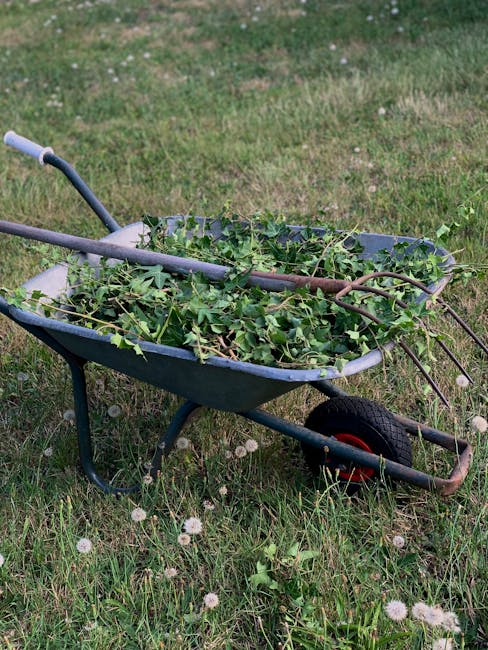
The right tools make garden maintenance safer, faster, and less frustrating. A professional setup may include mowing equipment, hedge trimmers, secateurs, pruning saws, edging tools, leaf blowers or sweepers, wheelbarrows, protective gloves, and disposal bags or bins for green waste. For more delicate work, hand tools are often better than power tools.
If you're maintaining your own garden between visits, it's sensible to keep the basics at hand:
- sharp secateurs for small stems and deadheading;
- a sturdy rake for leaves and debris;
- garden gloves that actually fit;
- a watering can or hose with proper control;
- a mower suitable for the lawn size;
- a simple notebook or phone note for seasonal tasks.
For bigger or shared sites, it can also help to set up a maintenance calendar. Keep it plain. March, April, May. What needs doing? What can wait? A calendar sounds basic, but it prevents the "I thought someone else had done that" problem, which is always annoying.
If your property has mixed requirements, such as lawns, hedges, planting, and outdoor cleaning, you may find value in combining services like weed control and patio cleaning so the garden doesn't look half-finished.
Law, Compliance, Standards, or Best Practice
For most homeowners, garden maintenance is straightforward, but there are still sensible standards and practical duties to keep in mind. If you manage a property, especially one with shared access or rented accommodation, you should think about safety, access, and keeping pathways clear. That doesn't mean overcomplicating the job. It means not leaving obvious hazards around.
In the UK, good practice usually includes:
- keeping paths and entrances reasonably clear of obstruction;
- disposing of green waste properly;
- using tools safely and following manufacturer guidance;
- being careful around protected nesting birds or wildlife during the appropriate seasons;
- avoiding damage to shared boundaries, fences, or neighbouring plants;
- checking whether local waste collections or licensed disposal routes are needed for larger clearances.
If you're unsure about a specific issue, it's better to ask before cutting. That is especially true with trees, boundary hedges, or work near shared walls and fences. A cautious approach is not overkill; it's good practice. And in London, where many gardens are joined-up in some way, a little courtesy goes a long way.
For larger or more formal sites, using a service that also understands health and safety procedures and responsible waste disposal can make the whole process smoother and more reliable.
Options, Methods, or Comparison Table
Different properties need different maintenance models. The right choice depends on budget, garden size, how quickly things grow, and how hands-on you want to be.
| Option | Best for | Pros | Trade-offs |
|---|---|---|---|
| One-off tidy-up | Overgrown gardens, move-ins, pre-sale prep | Fast reset, immediate visual improvement | Needs follow-up or the space slips again |
| Regular maintenance visits | Occupied homes, shared gardens, managed properties | Consistent results, fewer problems building up | Requires an ongoing budget |
| Seasonal maintenance plan | Smaller gardens or lower-growth spaces | Good balance of cost and care | May not suit fast-growing sites |
| Full-service grounds care | Estate-style, commercial, or complex sites | Comprehensive, coordinated, efficient | More involved planning and oversight |
In simple terms, if your garden is easy to tame but hard to keep tidy, regular visits are often the best value. If it's currently in the "how did it get this bad?" category, start with a one-off restoration and then move into maintenance. That's usually the least painful route.
Case Study or Real-World Example
Here's a realistic example, the sort of job that comes up often enough to feel familiar. A small front and rear garden in Brent Cross had become uneven over time: the lawn was patchy, the hedge had pushed out too far, the side path had leaf build-up, and the borders had more weeds than planting. Nothing dramatic. Just one of those spaces that slowly looks tired.
The first visit focused on clearing, shaping, and getting the garden back to a usable baseline. The hedge was reduced to a manageable line, weeds were removed before they set seed, the lawn was cut carefully rather than aggressively, and the path was cleared so the whole space felt brighter. The big change wasn't one expensive intervention. It was structure.
On the follow-up plan, the work was broken into regular visits. Spring growth was managed early, autumn leaves were cleared before they formed a slippery layer, and a few weak plants were replaced with hardier options that suited the light levels better. Nothing fancy. But after a couple of cycles, the garden stopped fighting back.
That's often how good maintenance works. It doesn't shout. It just removes friction. One day the garden quietly starts feeling easy again.
If a similar site also needs a broader reset, a combination of garden renovation and ongoing upkeep can be a smart way to get both the quick win and the longer-term result.
Practical Checklist
Use this as a simple pre-visit or self-check list. It keeps things grounded.
- Are lawns cut at an appropriate height for the season?
- Are edges, borders, and pathways clearly defined?
- Is weed growth under control, especially in beds and paving joints?
- Are shrubs and hedges shaping the space rather than overwhelming it?
- Are there any dead, diseased, or damaged plants that need attention?
- Are containers watered, drained, and still in good condition?
- Is green waste being removed or disposed of properly?
- Are access routes safe and not blocked by overgrowth or clutter?
- Does the maintenance schedule match the growth rate of the garden?
- Have seasonal tasks been planned in before they become urgent?
Quick tip: if two or three items on that list keep reappearing, it's usually a sign the current routine needs adjusting. No shame in that. Gardens change.
Conclusion
Clitterhouse Farm garden maintenance experts Brent Cross are most valuable when they bring consistency, local awareness, and practical judgement to a space that needs more than occasional attention. Whether you're looking after a private garden, a shared frontage, or a larger managed site, the goal is the same: keep it healthy, usable, and easy to live with.
The best maintenance feels almost invisible because everything is simply in the right place. The lawn is under control, the hedges make sense, the weeds don't get a foothold, and the outdoor space stops asking for emergency fixes. That's the real win.
If you're weighing up whether to start with a one-off tidy or move straight into regular care, choose the option that gives the garden a steady rhythm. In our experience, rhythm beats rescue almost every time.
Get a free quote today and see how much you can save.
And if you'd like to improve the wider property too, explore contact options and the related services linked above so you can build a garden plan that actually lasts. A well-kept outdoor space has a quiet kind of value, and once it's in shape, you really do feel the difference.
Frequently Asked Questions
What do Clitterhouse Farm garden maintenance experts Brent Cross typically do?
They usually handle ongoing upkeep such as mowing, edging, weeding, hedge trimming, pruning, leaf clearance, tidying borders, and seasonal checks. The exact scope depends on the garden's size, condition, and how often it needs attention.
How often should a garden in Brent Cross be maintained?
It depends on growth rate, usage, and planting type. Fast-growing gardens often need fortnightly or weekly attention in spring and summer, while smaller or slower-growing spaces may be fine with monthly or seasonal visits.
Is one-off garden clearance the same as regular maintenance?
No. One-off clearance is usually about bringing an overgrown or neglected space back under control. Regular maintenance is the ongoing work that keeps it from slipping back again. The two often work best together.
Can garden maintenance help improve property value or rental appeal?
It can improve presentation and first impressions, which matters for viewings, tenant turnover, and general kerb appeal. It's not a magic fix, but a tidy, well-kept garden often makes the whole property feel more cared for.
What should I ask before booking a local garden maintenance service?
Ask what tasks are included, how often visits are recommended, whether waste removal is covered, what equipment is used, and how seasonal changes are handled. If you've got particular plants or access issues, mention those early.
Do I need a maintenance plan if my garden is small?
Small gardens can still need a plan, especially if they're planted densely or get overgrown quickly. A simple seasonal schedule may be enough, but even that can save time and keep the space from becoming a nuisance.
What's the difference between pruning and trimming?
Trimming is usually lighter shaping to keep growth neat. Pruning is more selective and often aims to improve health, structure, or flowering. The two overlap a bit in conversation, but they're not quite the same thing.
How do I know if my lawn needs more than mowing?
If the grass is patchy, mossy, compacted, or thinning despite regular cuts, it may need aeration, feeding, scarification, or overseeding. A quick visual tidy can hide problems for a while, but not fix them.
Are there any safety concerns with garden maintenance?
Yes. Slippery paths, hidden debris, unstable branches, tools, and uneven ground can all cause issues. Good practice is to work carefully, clear access routes, and follow safe handling guidance for equipment and waste.
What happens to the green waste after maintenance work?
That depends on the service agreement. Some teams remove it as part of the visit, while others leave it for composting or collection. It's worth confirming this in advance so there are no surprises afterwards.
Can maintenance include planting or seasonal refreshes?
Yes, often it can. Many maintenance plans include replacing tired plants, refreshing containers, and adjusting planting for the season. That keeps the space looking balanced instead of simply cut back.
When is the best time to start regular garden maintenance?
Honestly, the best time is before the garden gets away from you. Spring is a smart starting point because growth picks up fast, but any time is better than waiting for a full recovery job in late summer or autumn.