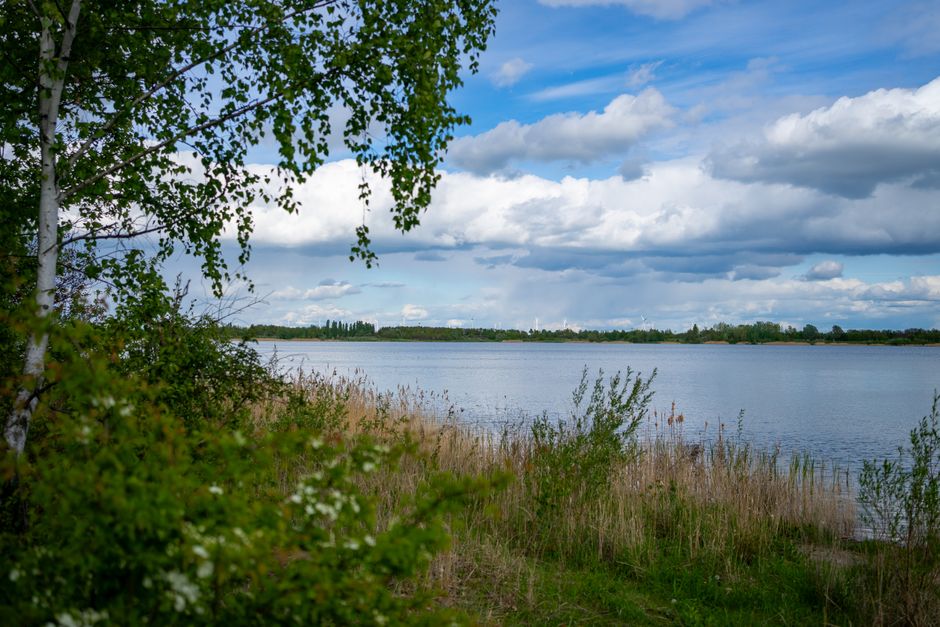
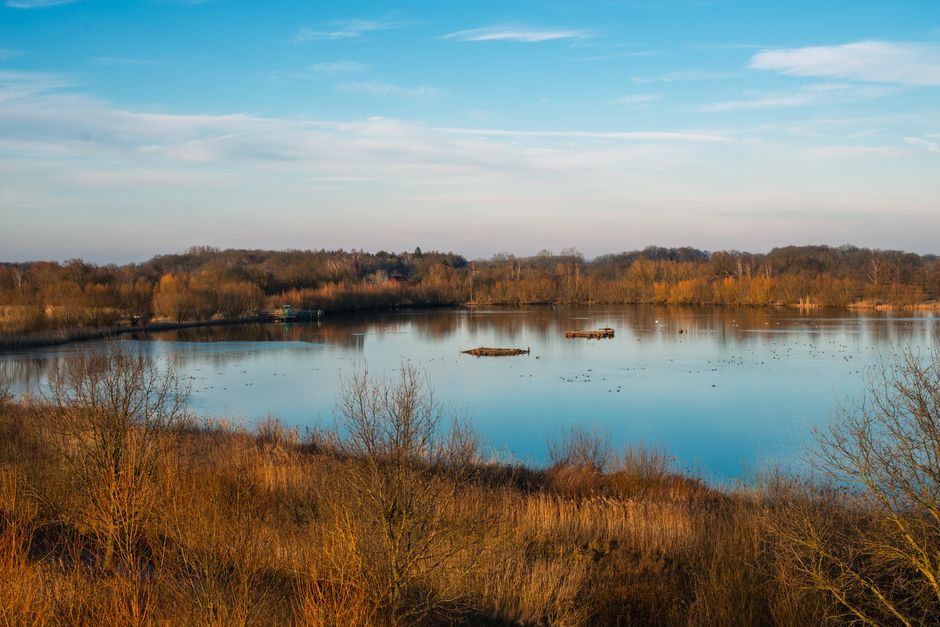
Brent Reservoir wildlife planting guide for Brent Cross gardeners
If you garden in Brent Cross and you want your plot to feel more alive, the Brent Reservoir wildlife planting guide for Brent Cross gardeners is a very sensible place to start. The reservoir and its edges are part of a wider local green network, and even a small garden can help bees, hoverflies, birds, and other visiting wildlife move, feed, and shelter through the area. You do not need a large budget or a grand design. Truth be told, a few well-chosen plants, placed with a bit of thought, can make a bigger difference than a lot of expensive hard landscaping.
This guide focuses on practical planting decisions for real Brent Cross gardens: front gardens, narrow terraces, shared spaces, shady corners, and those awkward beds that never quite know what they want to be. You will find simple steps, local-minded advice, and a clear way to build a wildlife-friendly garden that still looks tidy and manageable. And yes, it can still be beautiful. Wildlife planting does not mean letting everything go wild like a corner of untended scrub. It means choosing the right plants, in the right places, for the right reasons.
Expert summary: For Brent Cross gardeners, the best wildlife planting strategy is usually a layered one: nectar-rich flowers, berry-bearing shrubs, native structure plants, and a few sheltered gaps for nesting and overwintering. Keep it low-fuss, keep it seasonal, and let the garden do some of the work for you.
Table of Contents
- Why Brent Reservoir wildlife planting guide for Brent Cross gardeners Matters
- How Brent Reservoir wildlife planting guide for Brent Cross gardeners Works
- Key Benefits and Practical Advantages
- Who This Is For and When It Makes Sense
- Step-by-Step Guidance
- Expert Tips for Better Results
- Common Mistakes to Avoid
- Tools, Resources and Recommendations
- Law, Compliance, Standards, or Best Practice
- Options, Methods, or Comparison Table
- Case Study or Real-World Example
- Practical Checklist
- Conclusion
- Frequently Asked Questions
Why Brent Reservoir wildlife planting guide for Brent Cross gardeners Matters
Brent Reservoir is one of those local landscapes that quietly shapes how nearby gardens behave. Wind exposure, bird movement, pollinator activity, and the general feel of the area all influence what works well in a Brent Cross garden. If your planting choices support wildlife, you are not just decorating a space. You are helping create stepping stones between built-up streets, private gardens, and larger green spaces around the reservoir corridor.
That matters for a few reasons. First, wildlife needs food across more of the year than many people realise. A few spring flowers are nice, but bees and insects need a longer run of nectar, and birds need berries, seeds, and cover later on. Second, gardens in urban London can be a bit fragmented. One garden on its own may not seem like much, but several wildlife-friendly gardens together start to behave like a useful habitat patch. That's the bit people often miss.
There is also a practical side. Wildlife planting often supports a healthier garden overall. Better pollination, more beneficial insects, and more resilient planting schemes are common outcomes when the mix is balanced. You may notice fewer empty-looking beds in winter too, because good structure plants carry the garden through the dull months. Let's face it, a garden that looks decent in February earns serious points.
For Brent Cross gardeners, the reservoir connection gives the idea a local anchor. You are not planting in a vacuum. You are working within a living neighbourhood ecosystem where hedges, lawns, borders, fences, balconies, and shared driveways all play a part. Even a small pot display can be useful if it is chosen well.
How Brent Reservoir wildlife planting guide for Brent Cross gardeners Works
The basic idea is simple: choose plants that provide food, shelter, and seasonal interest, then arrange them so wildlife can actually use them. In practice, that means thinking in layers rather than just picking a few pretty flowers. A wildlife-friendly garden usually needs low, medium, and taller planting; repeated flowering times; and somewhere for creatures to hide, rest, or nest.
In a typical Brent Cross setting, you will often be working with a few realities at once: compact space, mixed light conditions, wind, and the usual London challenge of not wanting things to become too messy. The guide works by balancing those realities. You want plants that look orderly enough for day-to-day life, but still serve a purpose for wildlife. That balance is the sweet spot.
A good wildlife planting plan usually includes:
- Nectar plants for bees, hoverflies, butterflies, and other pollinators.
- Berry and seed plants for birds later in the year.
- Native or near-native shrubs that support local insects and provide shelter.
- Ground cover to reduce bare soil and help keep roots moist.
- Structure plants that give the garden shape all year.
There is no single perfect formula, and that is actually a relief. If your garden is shady, you will choose differently from someone with a south-facing patio. If you have a lawn, your wildlife plan may lean on edges and borders. If you only have containers, you will focus on pots, climbers, and vertical interest. Same goal, different route.
One thing worth saying clearly: wildlife planting is not about surrendering control. It is about guiding nature. A little dead heading, a little trimming, and a little seasonal cleanup still matter. The garden should feel alive, not abandoned. That distinction makes a big difference.
Key Benefits and Practical Advantages
When done properly, wildlife planting gives you benefits that are both ecological and everyday practical. The obvious one is helping bees, birds, and insects. But there are other wins too, and some of them matter just as much once you are living with the garden day to day.
- Longer seasonal interest: Plants chosen for wildlife often flower, fruit, or hold structure across multiple seasons.
- Better pollination: If you grow fruit, herbs, or flowering ornamentals, wildlife-friendly planting can improve performance nearby.
- More resilience: Diverse planting tends to cope better with dry spells, pests, and small changes in conditions.
- Lower maintenance in the right places: Once established, shrubs and perennials can be easier to manage than high-turnover bedding.
- More interesting garden use: You start noticing birds, bees, and seasonal change rather than just a fixed green backdrop.
There is also a quieter advantage: a wildlife garden often feels calmer. Not every corner has to be highly polished. A slightly looser border, a berrying shrub, or a patch of seed heads left standing can create a sense of movement that formal planting sometimes lacks. On a breezy evening, that motion in the planting can be surprisingly satisfying. A bit like the garden is breathing.
For families, wildlife planting can be a nice learning tool too. Children tend to notice change fast. First bee, first blackbird, first ladybird on a stem - those little moments stick. Adults notice them too, to be fair, even if they pretend not to get excited.
If you are already improving your garden in other ways, wildlife planting works especially well alongside services such as garden maintenance, landscape gardening, or selective lawn mowing where a neat finish still matters but the planting can do more ecological work.
Who This Is For and When It Makes Sense
This approach suits a lot of Brent Cross gardeners, but especially the ones who want their garden to do more than just sit there looking presentable. If you are trying to support local nature, soften hard edges, or make a compact space feel less sterile, it makes immediate sense.
It is particularly useful for:
- homeowners who want a garden that attracts pollinators and birds;
- renters with containers or small paved areas who need flexible planting;
- busy households that want attractive planting with manageable upkeep;
- gardeners near open green spaces who want their plot to connect with wider habitat;
- people redesigning tired borders after clearance or renovation.
If your garden is very shaded, very windy, or mainly paved, this guide still applies. The plant choices just shift. A shady wildlife garden might rely more on hellebores, hardy geraniums, ivy, ferns, and shrubs. A sunnier one may use salvia, lavender, verbena, and flowering perennials. The principle stays the same.
It also makes sense if you are already planning a larger reset. A garden that has become overgrown, cluttered, or difficult to maintain often benefits from proper groundwork first. In those cases, a thoughtful round of garden clearance can create the blank slate you need before replanting for wildlife.
And if you are not sure where to start? Start small. One border, one strip along a fence, or even three large containers can be enough to test the approach. No need to do the whole garden in one heroic weekend. We've all had those ideas. Some of them even survive contact with reality.
Step-by-Step Guidance
A good wildlife planting plan is easier to build than people think. The trick is to work from conditions first, then plant choice, then layout. If you skip straight to shopping, you usually end up with attractive plants in the wrong place. Looks fine for a month. Then the trouble starts.
1. Read the space properly
Spend a little time watching light, shade, wind, and moisture. Where does the morning sun land? Which corner dries out first? Where does rain bounce off paving? A few observations over a day or two will save you hassle later. You do not need a clipboard and a stern expression, just a bit of attention.
2. Decide what wildlife you want to help most
Most Brent Cross gardens should support more than one group, but it helps to prioritise. If you want pollinators, focus on nectar and pollen. If birds matter most, add berrying shrubs and seed heads. If the garden is close to a busy road or open space, shelter and drought tolerance may be the deciding factors.
3. Build a simple planting structure
Try thinking in three layers:
- Low layer: thyme, geranium, catmint, ajuga, sedum, and similar ground-level plants.
- Middle layer: lavender, salvia, fuchsia, echinacea, verbena, and bushier perennials.
- Upper layer: shrubs such as viburnum, hawthorn, holly, dogwood, or dog-friendly alternatives suited to your space.
This layering creates food, cover, and visual depth. It also stops a garden looking flat. Very useful. No one really wants a border that behaves like a green carpet.
4. Choose plants with staggered flowering times
One of the biggest mistakes is choosing everything for the same month. You want early, mid, and late season interest. For example, spring bulbs and blossom can feed early insects; summer perennials carry the main show; late flowers and seed heads help the year close well.
5. Include shrubs or climbers for structure
Birds need cover. So do tired-looking corners. A well-placed shrub or climber can soften fences, create nesting shelter, and give the garden a more settled feel. If you have a vertical surface, climbing plants are doing two jobs at once.
6. Keep a few places deliberately untidy
That does not mean messy. It means leaving seed heads standing for a while, not clearing every leaf too early, and allowing a small amount of habitat in quiet corners. Bees and beneficial insects often use these bits. A garden can be tidy enough for everyday life and still be a home for wildlife.
7. Water, mulch, and establish properly
New planting needs support. Water well at the start, mulch where appropriate, and keep an eye on young plants until roots settle. In London gardens, summer dry spells can catch people out. The plants that look tough in the tray may still sulk for a while once planted. Normal, frankly.
8. Review after the first season
See what actually worked. Which flowers were busiest? Which spots stayed too dry? Which shrubs got too large? The best wildlife gardens evolve. They are not static designs; they are living systems with a bit of feedback built in.
Expert Tips for Better Results
If you want the planting to work harder without creating extra fuss, these are the details that usually make the difference. Not flashy stuff. Just the kind of choices that separate an average wildlife garden from a genuinely useful one.
- Repeat plant species in small groups. Bees find grouped plants more easily, and the garden looks calmer too.
- Mix flower shapes. Open flowers suit hoverflies and accessible pollinators; tubular flowers help longer-tongued visitors.
- Use evergreens sparingly but strategically. They provide winter cover and stop the garden feeling stripped bare.
- Leave some stems through winter. Many insects use hollow or cut-back stems for shelter.
- Avoid overfeeding soil with rich fertiliser. Very lush growth can reduce flowering in some plants.
- Think about sightlines from the house. If you can enjoy the garden from inside, you are more likely to keep caring for it.
One of the nicest tricks is to combine wildlife value with something you genuinely like looking at. A shrub with berries and good shape. A border plant with vivid flowers and a long season. A climber that softens a fence and gives birds a perch. When a plant earns its place twice over, it tends to stay in the garden longer.
If the space is part of a larger redesign, services such as hedge trimming and tree lopping and removal may help you restore light and shape before planting. That can be the difference between a border that limps along and one that really takes off.
And here's a small honest note: sometimes the "best" plant is not the most fashionable one. It is the one that survives your exact conditions and still feeds something useful. That's the one to keep.
Common Mistakes to Avoid
Wildlife planting goes wrong in predictable ways. Most of them are fixable, which is reassuring. You do not need perfection. You just need to avoid the obvious traps.
- Choosing plants for looks only. A garden full of decorative but low-value plants may look good briefly and then do very little for wildlife.
- Planting only one season. A summer-only display leaves gaps the rest of the year.
- Ignoring mature size. A shrub that fits now may crowd paths or windows later.
- Forgetting shelter. Flowers alone are not enough if wildlife has nowhere safe to rest.
- Over-cleaning in autumn. A completely stripped garden can remove valuable habitat.
- Under-watering new plants. Establishment matters more than people think.
Another subtle mistake is trying to do everything in one go. A rushed wildlife garden often ends up with mismatched plants, overcrowded beds, and a bit of regret by August. Better to phase the work and learn as you go. No shame in that.
If your garden is on the tired side, it may need some maintenance first, not just planting. A little clearing, some soil improvement, and a sensible reset can make the whole plan far more successful. Good planting loves a decent start.
Tools, Resources and Recommendations
You do not need specialist kit to create a wildlife-friendly garden, but the right basics make life easier. Think practical rather than fancy.
| Tool or Resource | What it helps with | Why it matters |
|---|---|---|
| Hand trowel and fork | Planting, light cultivation, root work | Useful for small borders and container planting |
| Watering can or hose with control | Establishment watering | New plants need steady support, especially in dry spells |
| Mulch | Moisture retention and soil protection | Helps reduce weeds and keeps roots happier |
| Pruners or secateurs | Light shaping and deadheading | Keeps plants tidy without stripping habitat too quickly |
| Notebook or phone notes | Tracking what works | Simple record-keeping improves future choices |
For services and practical support, you may also want to look at the wider help available through services overview, especially if the site needs multiple improvements before the planting stage. If you are planning a bigger transformation, landscaping and decking services can sit alongside planting in a more complete garden redesign, as long as the wildlife value is not squeezed out.
For background on responsible practice and company standards, it is also worth reviewing insurance and safety and health and safety policy. Those pages matter more than people often admit. A good garden is still a working environment, especially if tools, ladders, trees, or heavy clearing are involved.
Law, Compliance, Standards, or Best Practice
For a wildlife planting project in Brent Cross, the main compliance point is simple: do the work safely, responsibly, and in line with the property situation. If you are only planting in your own garden, you usually have more flexibility. Even so, good practice still matters. Think about access, neighbours, shared boundaries, and whether any trees, hedges, or structures are protected or have restrictions attached.
If work involves pruning, hedge cutting, tree removal, or changes near shared boundaries, it is wise to check what applies before you start. That is especially true where mature trees, nesting birds, or conservation sensitivity may be relevant. You do not need to make a drama out of it, but a quick check can prevent avoidable headaches.
In practical terms, best practice usually means:
- avoiding disturbance during active nesting where birds may be present;
- using tools and equipment properly and safely;
- respecting neighbour boundaries and access needs;
- choosing plants that suit the site rather than forcing a design;
- disposing of green waste responsibly.
If waste or cuttings build up, the answer is usually tidy removal, not dumping or burning. Responsible handling is part of good garden care. If you need more structured help with that side, the site's recycling and sustainability page is a sensible place to understand the approach.
The broad rule is this: wildlife-friendly planting should support nature without creating avoidable risk to people, pets, or property. That is a pretty fair standard, really.
Options, Methods, or Comparison Table
Different Brent Cross gardens need different wildlife planting methods. The right option depends on space, sunlight, upkeep, and how formal you want the end result to look. Here is a simple comparison to make the choice easier.
| Method | Best for | Wildlife value | Maintenance level |
|---|---|---|---|
| Native shrub border | Medium to larger gardens | High for birds and insects | Moderate once established |
| Perennial pollinator bed | Sunny front or rear gardens | High for bees and hoverflies | Moderate, with seasonal cutting back |
| Container wildlife planting | Patios, balconies, paved spaces | Good, if plant choice is right | Moderate to high watering needs |
| Mixed formal-natural border | People who want order and biodiversity | Very good balance | Balanced and usually manageable |
In many Brent Cross homes, the mixed formal-natural border is the best fit. It gives you enough structure to feel neat, but enough variety to help wildlife. Containers are brilliant where space is tight, though they do need closer watering. Shrub borders take a little longer to establish, but the payoff is strong and steady.
If you are unsure which route suits your place, think about how you actually use the space. Do you sit there in the evening? Need room for bins or bikes? Want something tidy from the pavement? The most effective wildlife garden is the one that fits real life, not a brochure.
Case Study or Real-World Example
Here is a realistic Brent Cross scenario. A small rear garden near a busy road had a patchy lawn, a tired fence, and two borders that had become a bit of a jumble over time. The owners wanted more wildlife, but they also wanted the garden to look intentional, not overgrown. Sensible ask, honestly.
The first step was clearing out weak growth and opening up the space. Then the planting plan focused on three areas: a sunny border with pollinator perennials, a fence line with a flowering climber and shrub structure, and a few containers near the seating area for colour and scent. The lawn was reduced rather than removed completely, which kept the garden useful for family life.
What changed? Bees started visiting earlier in the season because flowering times were staggered. The fence felt less bare. Birds used the shrub cover more often, especially on breezier days. And the garden stayed manageable because the plants were chosen to suit the site instead of fighting it. Nothing dramatic. Just a steady improvement that built up over time.
That is usually how good wildlife planting works in real life. It rarely arrives with fireworks. It grows into itself.
If you are starting from a messy or neglected base, a bit of preparatory support from garden maintenance or garden clearance can make the difference between a frustrating project and one that actually sticks.
Practical Checklist
Use this quick checklist before you plant. It keeps the work grounded and stops easy mistakes.
- Have I checked light, shade, and wind in the area?
- Do my chosen plants offer food across different seasons?
- Have I included some shelter or structure, not just flowers?
- Will the mature size of the plants still fit the space?
- Am I combining nectar plants with berries, seeds, or cover?
- Do I have a watering plan for new plants?
- Have I left a little space for natural habitat rather than overfilling the bed?
- Will the planting still look acceptable from the house and the street?
- Do I know which plants need cutting back and when?
- Have I checked whether any nearby trees, hedges, or boundary features need care before planting?
If you can tick most of these, you are in good shape. If not, no panic. Adjusting the plan before planting is much easier than redoing the whole thing later. Gardening teaches that lesson over and over, sometimes politely and sometimes not.
Conclusion
A well-planned Brent Reservoir wildlife planting guide for Brent Cross gardeners is really about creating connection: between your garden and the wider landscape, between seasons, and between neat everyday living and something a bit more alive. You do not need a wild meadow or a huge redesign to make a difference. You need thoughtful plant choices, decent structure, and a willingness to let the garden serve more than one purpose.
Start with the space you have. Choose plants that fit your light, your soil, and your time. Mix beauty with habitat. Keep it tidy enough to live with. And let the garden change a little as it grows; that is part of the charm, after all.
Get a free quote today and see how much you can save.
If you want a more organised approach to your garden project, from planting support to practical upkeep, it may help to explore pricing and quotes alongside the service pages. A good plan today can save a lot of backtracking later, and that feels pretty good when the first bees turn up.
Frequently Asked Questions
What is the best wildlife planting approach for a small Brent Cross garden?
For a small garden, the best approach is usually layered planting in containers or narrow borders: nectar-rich flowers, one or two compact shrubs, and a climber for vertical cover. Keep repetition in the design so it looks calm, not cluttered.
Which plants are best for attracting bees near Brent Reservoir?
Bee-friendly choices often include lavender, salvia, verbena, catmint, sedum, and herbs such as thyme. The key is to have flowers across the seasons rather than relying on one summer burst.
Do I need native plants, or can I use non-native garden plants too?
You can use both. Native plants are often especially valuable for local insects and birds, but some non-native garden plants also provide strong nectar, long flowering periods, or useful structure. A balanced mix usually works well.
How do I make a wildlife garden still look tidy?
Use grouped planting, repeated species, clean edging, and a few strong structure plants. Leave some seed heads and winter stems, but not in a way that looks forgotten. Tidy and wildlife-friendly can absolutely live together.
When is the best time to plant for wildlife in Brent Cross?
Spring and autumn are often the easiest times because soil moisture is usually more workable and plants can settle in. That said, with watering and care, many container plants can be added at other times too.
How much maintenance does a wildlife planting scheme usually need?
It depends on the style. Shrub-heavy planting can become fairly low maintenance after establishment, while container planting needs more regular watering. Most wildlife gardens still need some pruning, weeding, and seasonal cut-back.
Can wildlife planting work in a shady garden?
Yes. Shady gardens can still support insects and birds through plants such as hellebores, ivy, ferns, hardy geraniums, and shade-tolerant shrubs. The plant palette is different, but the principle is the same.
What should I avoid if I want to help birds as well as pollinators?
Avoid planting only flashy flowers. Birds need shelter, berries, seeds, and safe perching spaces. A good bird-friendly garden usually includes shrubs, some cover, and seasonal structure as well as flowering plants.
Will wildlife planting increase pests in my garden?
Not usually in a harmful way. A more diverse garden often supports beneficial insects and a healthier balance overall. You may still get the odd pest, of course. Gardens are never entirely polite about that.
Do I need permission for wildlife planting in my own garden?
Ordinary planting usually does not require special permission in a typical private garden, but work affecting trees, hedges, boundaries, shared access, or protected features may need checking first. When in doubt, review the property situation before starting.
How do I get started if my garden is currently overgrown or messy?
Start with clearance and a simple plan. Remove only what is necessary, keep anything that still has value, and create a clear planting map before buying plants. A reset phase often makes wildlife planting much more successful.
What is the easiest low-budget way to improve wildlife value quickly?
Add a few pollinator-friendly perennials, leave some seed heads over winter, and include one shrub or climber for cover. Even a couple of well-chosen additions can make a noticeable difference without a big spend.